Best gardeners in Stratford E15 for courtyard makeovers
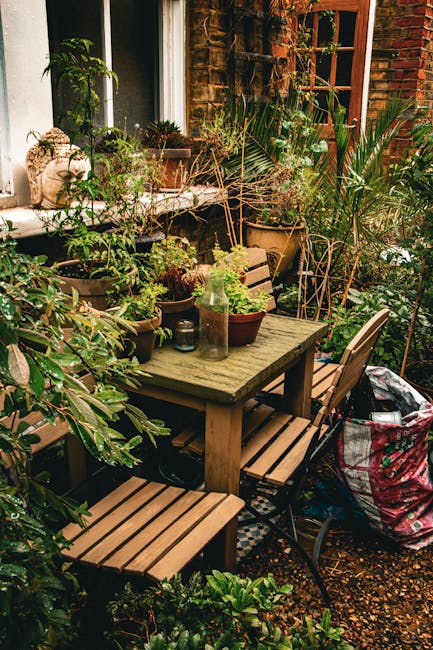
If your courtyard feels a bit cramped, patchy, or just plain forgotten, you are not alone. Small outdoor spaces in Stratford E15 can be awkward: one minute they are full of promise, the next they are the place where pots gather rainwater and the paving never quite looks clean. The good news? The best gardeners in Stratford E15 for courtyard makeovers know how to turn those tight spaces into something calm, usable, and properly attractive. Not overdone. Not fussy. Just smart, practical, and suited to real London living.
This guide walks you through what courtyard makeovers involve, how a good gardening team approaches them, what to look for before you book, and where the usual problems crop up. If you are weighing up a refresh, a full redesign, or simply trying to make a compact garden feel less bleak in February and more inviting by spring, this article should help you make a sensible decision.
Why Best gardeners in Stratford E15 for courtyard makeovers Matters
Courtyards are different from standard gardens. There is less room for error, less soil depth to play with, and often more hard landscaping than planting. That changes everything. A small mistake in layout can make the space feel tighter; a poor plant choice can leave you with a courtyard that looks tired for most of the year. A thoughtful makeover does the opposite. It opens the area up visually, improves day-to-day use, and gives the space a clear purpose.
In Stratford E15, many courtyards sit behind terraces, flats, or converted buildings. They may be shaded for part of the day, enclosed by walls, or exposed to a bit of urban grit and wind. That means the best approach is usually not a generic garden formula. It is a tailored one. The right gardener looks at drainage, surfaces, planting depth, light levels, privacy, and maintenance first. Only then do the pretty bits come in. To be fair, that is what makes the result last.
There is also a lifestyle reason this matters. A courtyard can become an extra room in warmer months. A quiet coffee spot. A place for herbs. Somewhere to sit after work and hear a little less of the city. Even a modest improvement can change how you use your home. And yes, that sounds simple, but the impact is often bigger than people expect.
If you want a broader view of what a full garden team can help with, it is worth looking at the full services overview and, if your project is becoming more structural, landscaping options and landscape gardening support.
How Best gardeners in Stratford E15 for courtyard makeovers Works
A good courtyard makeover usually starts with an honest assessment. Not a sales pitch. An assessment. The gardener should look at the space in daylight, check how water moves, notice where moss or algae builds up, and ask how you want to use the courtyard. Dining? Planting? Storage? Low-maintenance greenery? A mix of everything? These details steer the design.
From there, the job usually falls into a few stages:
- Clear and assess the space, removing old pots, dead plants, clutter, and awkward features.
- Measure and plan the layout so the courtyard works visually and practically.
- Prepare the surfaces, whether that means cleaning paving, improving soil beds, or sorting drainage issues.
- Install or refresh features such as planting schemes, raised beds, edging, decking, seating zones, or screening.
- Finish with maintenance-ready details so the courtyard does not become high-effort after six weeks.
That last point matters more than people think. A courtyard makeover should not look beautiful only on the day it is completed. It should be manageable in wet weather, possible to keep tidy, and still make sense when the leaves start to drop or the first frost arrives.
Depending on the brief, a gardener may also coordinate related tasks like garden clearance, garden maintenance, lawn mowing for any adjoining lawned section, or decking services where a timber surface makes more sense than full paving.
Truth be told, the best projects feel almost unremarkable in the planning stage. The space just starts making sense. That is usually the sign you have the right team.
Key Benefits and Practical Advantages
A courtyard makeover is not only about appearances, although that is often the starting point. It can also solve a few everyday annoyances that make the space underused.
- Better use of limited space: clever zoning can make a small courtyard feel larger and more functional.
- Improved first impression: the rear of a home can feel much more finished and welcoming.
- Lower maintenance: the right materials and planting reduce weekly faff. Nice little bonus, that.
- More privacy: screens, climbers, and planting can soften overlooking from neighbouring homes.
- Year-round structure: evergreen planting, hard edging, and good layout keep the space looking deliberate even in winter.
- Safer, cleaner surfaces: sensible drainage and durable materials help reduce slippery patches and standing water.
There is also a subtle but real emotional benefit. Small outdoor spaces can feel cluttered and awkward when they are poorly planned. Once they are sorted, they tend to feel calmer. That matters when you are opening the back door on a grey Monday and the only thing you want is a bit of order.
If sustainability matters to you, ask how the work will be handled. A team with a responsible approach should be comfortable talking about waste reduction and recycling. You can also review recycling and sustainability practices before committing.
Who This Is For and When It Makes Sense
Courtyard makeovers are a strong fit for a wide range of Stratford E15 property owners and tenants, though the scale of the work will vary. They tend to make the most sense if:
- your courtyard is underused because it feels too bare or too busy;
- the current layout makes the area awkward to walk through or sit in;
- you have drainage issues, algae, or patchy paving;
- you want a low-maintenance outdoor space rather than a traditional garden;
- you are preparing a home for sale or rental presentation;
- you need a more private, calmer outdoor retreat in a dense urban setting.
It is also sensible if you are simply fed up with keeping bits of the space alive one season at a time. A well-designed courtyard can cut out a lot of that stop-start upkeep. No shame in admitting that. Sometimes you just want a garden that behaves itself.
For homeowners who are not sure whether they need a light refresh or a fuller redesign, start by comparing your goals with the available services. The pricing and quotes guidance can help you think through scope before you book. And if you want to understand the company background before inviting anyone to quote, take a look at about us.
Step-by-Step Guidance
If you are planning a courtyard makeover, the clearest projects usually follow a simple path. Here is a practical version of that process.
- Walk the space properly. Notice where the sun lands, where water pools, and where the eye goes first. A corner that feels fine at 10 a.m. may be useless by 3 p.m.
- Define the job. Decide whether the space needs a cosmetic lift, a usability upgrade, or a full redesign. This keeps the budget realistic.
- Remove the clutter. Old planters, broken furniture, weeds in joints, dead climbers, and anything else that is just taking up mental space.
- Sort the base layer. Clean surfaces, repair edges, and deal with drainage or surface movement before adding features.
- Choose the layout. Courtyards work best with a few clear zones: sitting, planting, access, and maybe a focal point.
- Select planting carefully. Shade-tolerant and container-friendly plants are often more useful than exotic ideas that will sulk by October.
- Add the finishing touches. Lighting, pots, edging, trellis, or slim storage can make the space feel intentional.
- Plan maintenance from day one. If you cannot realistically keep it up, the makeover will not hold. Harsh, but true.
A sensible gardener will talk you through these steps rather than jumping straight into product suggestions. That is one of the clearest signs you are dealing with someone who understands small-space design rather than simply gardening by instinct.
Expert Tips for Better Results
Courtyard projects reward restraint. The temptation is always to put in too many things because the space is small and every corner looks available. Usually that backfires. A few well-chosen elements beat a crowded list every time.
1. Keep the palette calm
Using a limited mix of materials and colours helps the courtyard feel larger. For example, pale paving, one timber tone, and two or three planting colours will usually look more coherent than a patchwork of styles. The eye needs somewhere to rest.
2. Use vertical space
When floor space is tight, walls become an asset. Trellis, climbers, slim wall planters, and layered planting can add softness without crowding circulation space. In Stratford courtyards, this often matters more than adding more pots on the ground.
3. Prioritise drainage and cleaning access
Water has a habit of finding the worst possible corner. Make sure the surface can be cleaned and that leaves, soil, and rainwater can move away properly. A lovely design that puddles every winter is not much of a win.
4. Choose plants that suit the conditions, not your wish list
That sounds obvious, but people still buy sun-loving plants for shady courtyards and then wonder why everything looks tired. Shade, wind, and container drying all affect success. A good gardener will explain that gently, without making you feel silly.
5. Plan for the view from inside
Courtyards are often seen through a kitchen door or sitting room window. Shape the design so it looks good from indoors too. In practice, this can matter as much as the space itself.
If you are adding soft structure, it may also be worth discussing hedge trimming for adjacent boundaries or tree lopping and removal where overhanging growth is stealing light or making the space feel boxed in.
Common Mistakes to Avoid
Most disappointing courtyard makeovers are not ruined by one huge error. They are usually undone by several small ones.
- Choosing style before function: pretty surfaces are fine, but the layout has to work for how you live.
- Ignoring shade and moisture: many Stratford E15 courtyards are not blessed with constant sun, so plant choice needs care.
- Overfilling the space: too many pots, too many materials, too many focal points. It gets busy quickly.
- Skipping maintenance planning: even low-maintenance designs need some care. No garden is truly zero effort. Sadly.
- Leaving surfaces untreated or unrepaired: moss, loose joints, or uneven paving will age the courtyard fast.
- Not clarifying access and disposal: if materials need to be moved through a narrow side return or shared access, that should be understood early.
Another classic mistake is asking for a makeover without a realistic budget range. That leads to awkward compromises. Better to say, "This is the space, this is what we want, and this is roughly what we can work with," then let the gardener advise. Straightforward always works better than guesswork.
If you need a reset before redesigning, start with a proper tidy-up and removal of unwanted material. That is where garden clearance can be genuinely useful.
Tools, Resources and Recommendations
You do not need to become a landscaping expert to make a smart decision, but a few tools and reference points help.
| Need | What helps | Why it matters |
|---|---|---|
| Layout planning | Measuring tape, rough sketch, photos from different angles | Small courtyards rely on proportion, and guesswork is expensive |
| Surface refresh | Pressure-safe cleaning methods, joint repair materials, weed control approach | Good foundations stop the space looking tired again too quickly |
| Planting decisions | Light notes, shade observations, container sizes | Plants must match the conditions, not just the mood board |
| Maintenance planning | Simple schedule for watering, trimming, feeding, and cleaning | A courtyard should stay manageable after the job is done |
As a practical recommendation, ask for examples of how the space will be maintained after installation. That one question tells you a lot. If the answer is vague, be cautious. If the answer is clear and grounded in real upkeep, that is much more reassuring.
You can also compare how the team handles broader service delivery by reviewing garden maintenance and the wider service overview. It helps you understand whether they think beyond the day-of installation.
Law, Compliance, Standards, or Best Practice
For most courtyard makeovers, the main concern is not complicated legal compliance. It is sensible practice, safe working, and respecting shared boundaries. That said, a professional gardener should still work with care around access, waste removal, tools, and any boundary structures or retained features.
Good practice in the UK usually means:
- being careful with shared access areas and avoiding damage to neighbouring property;
- using safe methods for pruning, lifting, cutting, and waste handling;
- checking whether any trees, walls, or structures need additional caution before work begins;
- being transparent about scope, exclusions, and any assumptions before the job starts;
- keeping the site tidy and minimising avoidable mess or obstruction.
If the job includes heavier work, such as removal of awkward overgrowth or structural changes near hard surfaces, it is wise to ask about insurance and safety before proceeding. The same goes for any work where tools, ladders, or heavy materials are involved. A trustworthy team should be able to speak plainly about how they manage this. Not dramatically. Just clearly.
It is also sensible to review the company's own policy pages where relevant. For example, you can check health and safety policy details, insurance and safety information, and terms and conditions before booking. These pages help set expectations and reduce crossed wires later on.
Options, Methods, or Comparison Table
Not every courtyard needs a full rebuild. In many cases, the smartest option is the one that solves the real problem without overcomplicating things. Here is a simple comparison.
| Approach | Best for | Strengths | Trade-offs |
|---|---|---|---|
| Light refresh | Courtyards that are basically sound but need a cleaner, tidier finish | Lower disruption, quicker turnaround, usually more affordable | Won't solve deeper layout or drainage problems |
| Plant-led makeover | Spaces that feel harsh, blank, or too hard-landscaped | Softens the look and improves atmosphere fast | Needs careful plant selection and watering |
| Mixed landscape redesign | Courtyards needing new flow, seating, and structure | Most transformative; better long-term functionality | More planning, more cost, and more moving parts |
| Maintenance-led improvement | Spaces that are okay but slipping into neglect | Useful for keeping things under control without a major redesign | Less dramatic visual change |
If you are torn between approaches, ask yourself a simple question: do I need this space to look better, work better, or both? That answer usually makes the decision clearer than any glossy inspiration board ever will.
For projects involving timber platforms or a more structured layout, decking services can be part of the solution. Just make sure the material choice suits the scale of the courtyard, because oversized features can swallow the space.
Case Study or Real-World Example
Here is a realistic courtyard scenario from the kind of brief many Stratford E15 homeowners bring up.
A couple with a compact rear courtyard wanted a space they could use for morning coffee and a few containers, but the area had become patchy, muddy at the edges, and visually awkward. There were several mismatched pots, tired planting, and a paving layout that made the space feel narrower than it was. Nothing dramatic. Just a bit of a mess, really.
The makeover approach was simple: clear the clutter, clean and reset the hard surfaces, introduce a calmer planting scheme, and add a more coherent seating area. Instead of cramming in more decorative objects, the team focused on flow and balance. A wall section was softened with climbers, while the planting kept a restrained palette so the eye did not jump around too much.
The biggest change was not the furniture or the plants. It was the feeling of the space. Once the layout made sense, the courtyard stopped reading like a leftover area and started feeling like part of the home. That is usually the real goal, isn't it?
In jobs like this, the finishing touches matter a great deal. A tidy edge here, a better transition there, and the whole thing suddenly feels intentional. If you want the same effect in your own home, start with the question: what should this courtyard do every day?
Practical Checklist
Use this checklist before you book or brief a gardener for a courtyard makeover in Stratford E15.
- Have you decided whether the project is a refresh, redesign, or maintenance-led tidy-up?
- Do you know how the courtyard is used day to day?
- Have you noted where sun, shade, and damp areas are?
- Have you identified any drainage issues, cracked paving, or slippery sections?
- Do you know which features you want to keep?
- Have you thought about privacy, seating, storage, and planting height?
- Is there a realistic maintenance level you can live with?
- Have you checked what happens to waste and removed materials?
- Have you reviewed the team's approach to safety and insurance?
- Have you looked at the company background and service range?
If you can tick most of those boxes, the conversation with a gardener becomes much easier. You will get better advice, clearer pricing, and fewer surprises. And frankly, fewer surprises is a very good thing with outdoor work.
If you are ready to speak with a local team, you can also visit contact us once you have gathered your notes.
Get a free quote today and see how much you can save.
Conclusion
The best courtyard makeovers are not the ones with the most features. They are the ones that make a compact Stratford E15 space feel calm, useful, and easy to live with. That takes planning, a good eye, and a realistic view of what the space can actually do. A strong gardener will help you balance design with maintenance, structure with softness, and ambition with common sense.
If you choose carefully, your courtyard can become one of the nicest parts of the property. Not loud. Not overworked. Just quietly excellent. And in a city where outdoor space is often precious and a bit limited, that counts for a lot.
When it is done well, you notice it in the small moments: a cup of tea by the back door, a clearer view from the kitchen, a garden that feels finished instead of waiting for attention. That is the real payoff, and it tends to linger.
Frequently Asked Questions
What should I look for in the best gardeners in Stratford E15 for courtyard makeovers?
Look for practical experience with small spaces, clear communication, sensible planting advice, and a tidy approach to hard landscaping and maintenance. A good gardener should explain what will work in your light and layout conditions, not just what looks nice on a mood board.
How long does a courtyard makeover usually take?
It depends on the size of the space and how much needs changing. A light refresh may be quite quick, while a full redesign with surface work, planting, and layout changes will take longer. The best answer comes after a proper site assessment.
Are courtyard makeovers suitable for shaded spaces?
Yes, very much so. In fact, many courtyards in Stratford E15 are partly shaded. The key is choosing plants and materials that suit lower light levels and avoid creating a dull, heavy feel. Shade does not mean boring. Not at all.
Can a courtyard be made low maintenance?
Absolutely. A good design can reduce regular work by using durable surfaces, planting that suits the site, and a simple layout. It will still need care, but it should not feel like a second job.
Do I need full landscaping or just gardening work?
If the space mainly needs planting, tidying, and surface cleaning, gardening may be enough. If you want new levels, decking, drainage improvements, or a major layout change, landscaping is likely the better fit.
What if my courtyard has drainage problems?
That should be assessed early. Drainage affects safety, surface wear, and planting success. A gardener should be able to flag whether simple improvements are enough or whether the issue needs a more structured solution.
How do I keep a courtyard looking good through winter?
Use evergreen structure, keep the design uncluttered, and choose materials that stay neat when it rains. Winter is where good planning shows up. If the space still looks intentional in January, you have done well.
What is the most common mistake people make with courtyard makeovers?
Overfilling the space. People often add too many pots, too many materials, or plants that want more sun than the courtyard can offer. Simpler almost always looks better in a small garden.
Should I ask about insurance before booking a gardener?
Yes. It is sensible to ask, especially if the project involves ladders, heavy lifting, cutting tools, or work near neighbouring boundaries. A professional team should be able to explain how they approach safety and insurance.
How can I compare quotes fairly?
Compare like with like. Check what is included, what is excluded, how waste is handled, whether preparation work is covered, and whether the quote assumes a light refresh or a deeper transformation. Cheaper is not always better if half the job is missing.
Can courtyard makeovers help with property value?
They can improve presentation and the feel of the home, which is especially useful if you are selling or letting. While no responsible gardener should promise a specific financial return, a neat and usable courtyard often makes a property more appealing.
How do I start if I'm not sure what I want?
Start by sharing how you want to use the space. Sit, plant, entertain, or simply keep it tidy? From there, a good gardener can suggest a practical direction. You do not need to have every detail worked out. That is what the conversation is for.